Johnnie Walker: First whisky brand to earn the Cradle to Cradle Certified® sustainability certification for their packaging
Johnnie Walker’s Black Label and Red Label Scotch whiskies are produced in Scotland since 1820 and shipped all over the world, each bottle reflects long-term attention to the craft of whisky making – both in the liquid and the packaging.

Johnnie Walker’s Black Label and Red Label Scotch whiskies have traveled the world for generations and are available today in more than 180 countries. Produced in Scotland since 1820 and shipped all over the world, each bottle reflects long-term attention to the craft of whisky making – both in the liquid and the packaging. The square silhouette reduces space in transit; the glass weighs only 385g, includes 22% - 50% recycled content[1] and is compatible with recycling systems around the world.
Johnnie Walker has achieved Cradle to Cradle Certified® at Bronze level for the primary packaging of Black Label and Red Label – becoming the first whisky bottles, and the only spirits brand, to earn this recognition under the Version 4.0. As Bianca Woolley, Diageo’s Global Marketing Sustainability Lead, explains,
“Packaging makes up a large part of our supply chain emissions, and lightweighting glass together with increasing recycled glass content can deliver meaningful reductions.”
This focus has led to closer collaboration with glass manufacturers, efforts to increase the availability of recycled glass cullet, and ongoing refinement of lightweight designs without compromising durability and style.
[1] Calendar year 2023 data supplied for certification: https://c2ccertified.org/certified-products/johnnie-walker-red-and-black-packaging
How the bottle becomes a system at Diageo
The Cradle to Cradle Certified® certification process for Johnnie Walker included both product-level requirements and company-level requirements with a company-level circularity project.
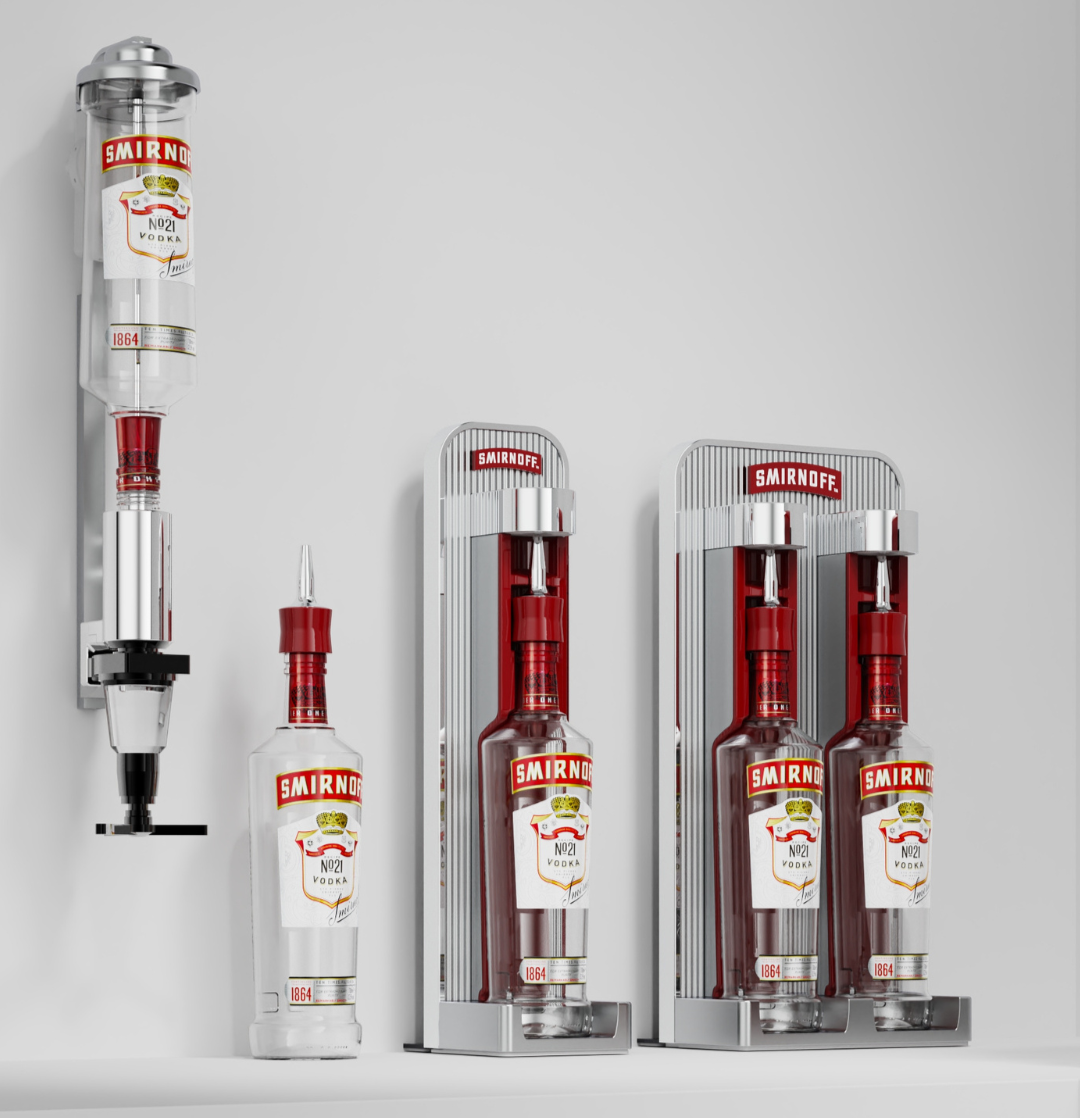
Diageo is piloting a reuse model called Everpour that reduces material use and can lower carbon emissions by over 80%. The company’s circular keg and dispense system replaces single-use bottles with refillable stainless-steel kegs that automatically refill bottles in the bar, whilst also improving operational efficiency for bars.
Miranda Essex, Senior Breakthrough Sustainable Innovation Manager, says, “Everpour monitors the liquid dispensed from the system, allowing us to both learn more about consumer demand as well as enable safety features like leak detection.” This data-driven approach supports both environmental performance and enhanced operations.

Setting a standard for evidence-based progress on Johnnie Walker
Cradle to Cradle Certified® provides Johnnie Walker with a structured way to evaluate the environmental and social performance of Johnnie Walker Black Label and Red Label at the level of the bottle, the materials, and the systems that support them. The framework brought the five performance pillars (Material Health, Clean Air and Climate Protection, Product Circularity, Water and Soil Stewardship and Social Fairness) into one roadmap, allowing different teams to work in parallel while building a clearer picture of packaging sustainability.
As Bianca Woolley explains, “The holistic approach to sustainability across the five pillars was aligned with our internal focus areas within the sustainability team, so we could make rapid progress at the start with different team members leading each of the different pillars.”
Advice for newcomers to Cradle to Cradle Certified®
“The truth is that, when we started, we had very little understanding of what it would actually take to achieve the certification,” Bianca shared. “It is too big to understand fully in advance; you have to commit to the work and stay with it.”
Early progress came from distributing the pillars across different teams and tracking milestones with support from external experts.
“Sustenuto were great partners throughout and we are very thankful for all they did to guide us along the way,” Bianca mentions.
Monthly reviews clarified how much had been completed, where evidence was still required, and how each decision influenced the next.
Looking back, Bianca points to two essentials: structured coordination across departments and a willingness to learn through the process.
“We can see what a rigorous, holistic process it is and appreciate that,” she said.
For newcomers beginning this path, the message is simple, start early, build internal alignment, and allow the framework to guide steady, well-documented improvement.