Henry Rose: Notes from a modern fragrance house
Henry Rose is a genderless fragrance line that treats ingredient quality, chemistry, packaging, and manufacturing choices as one connected process.
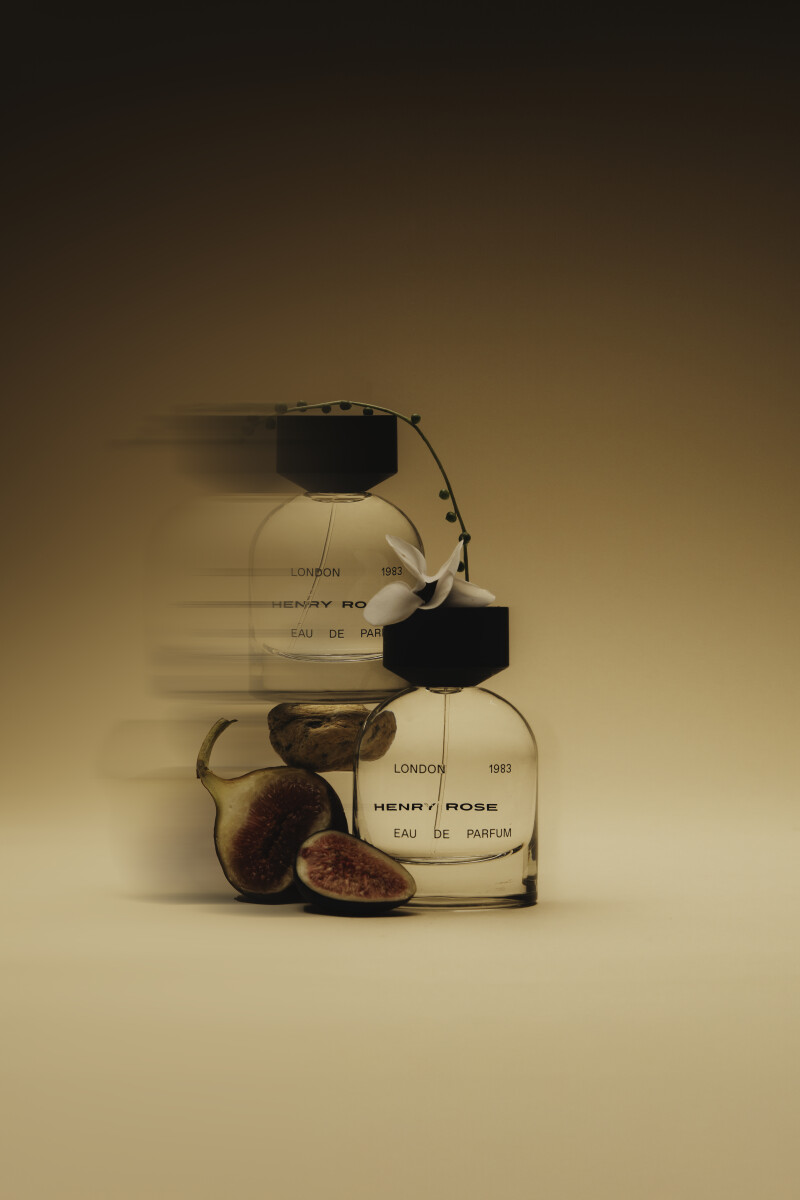
Henry Rose began with a question: what would it take to create a fragrance that reflects the same care that goes into making it? Founded by Michelle Pfeiffer, the company was built on the belief that scents could be both luxurious and conscientious. From the start, the team set out to rethink every element of traditional fragrance making – the ingredients, the sourcing, and the craft behind every bottle.
That way of thinking grew into a design philosophy centered on clarity, circularity, and care. Each fragrance is crafted with the same attention to material choices as to the scent itself, designed with care and built to stand the test of time.
Behind every scent lies a simple principle: craftsmanship and healthy chemistry should work in harmony. Henry Rose approaches design as an ongoing practice, one that balances beauty with intention and turns thoughtful choices into lasting impact.
From scent to system
At Henry Rose, circular design is both a method and mindset. Product development begins with a material health review that examines each ingredient across its full lifecycle - from sourcing and formulation to potential reuse. This approach drives ongoing reformulation work, and led to, for example, a shift to a higher quality and purity organic sugarcane alcohol.
The same rigor shapes packaging; glass bottles include recycled content to reduce reliance on virgin materials; caps are made from recovered plastic, and cartons are fully recyclable. Each component is chosen for traceable origin, designed to retain quality, as materials move through reuse and recovery cycles.
In manufacturing, Henry Rose applies the same discipline. The brand works with production partners that focus on efficient resource use and low-impact operations, ensuring alignment between product design and daily practice. Circularity, in this context, is neither a claim nor a goal but rather a system that keeps materials, methods, and intent connected through continuous improvement.

The composition of progress
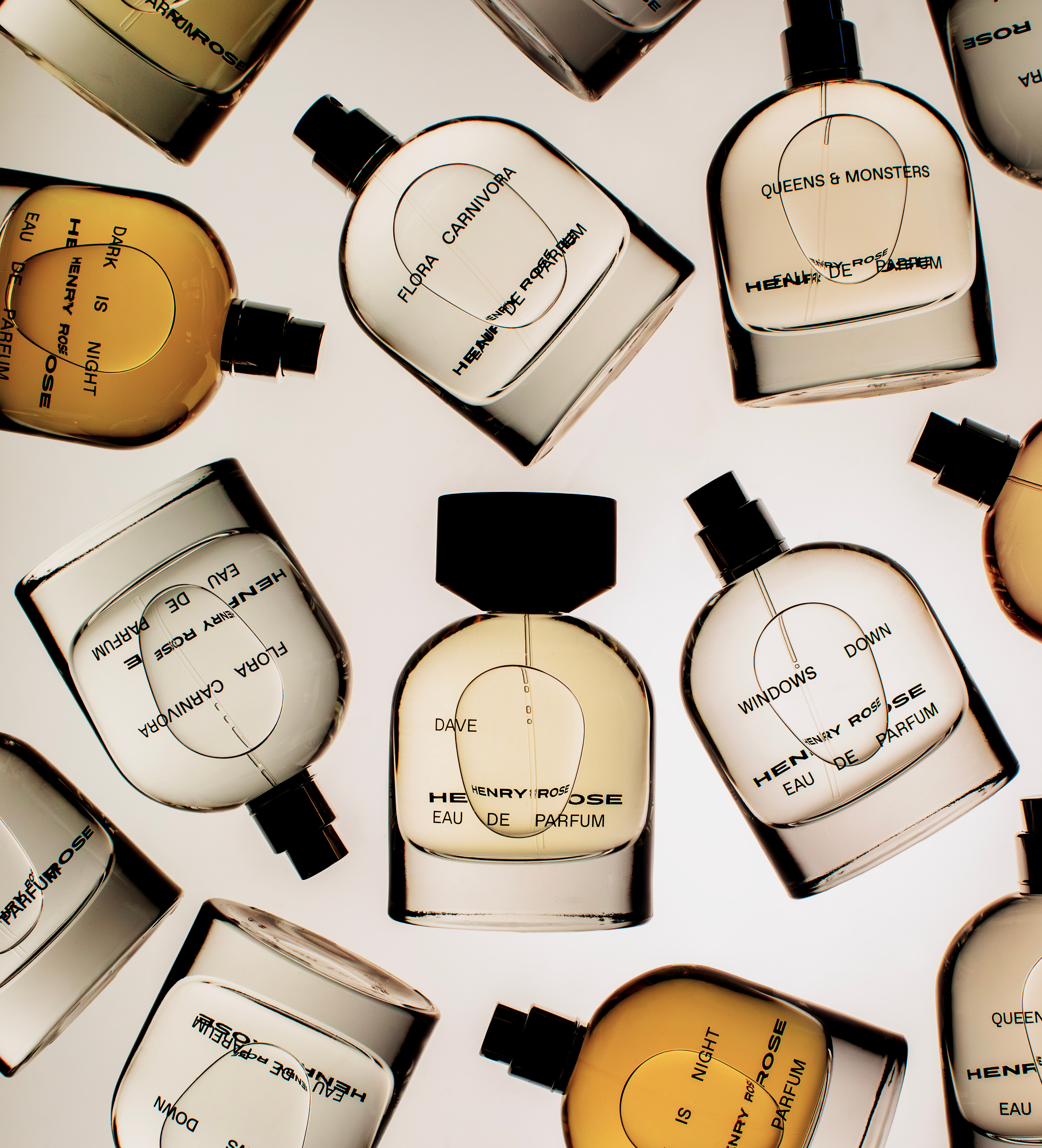
Cradle to Cradle Certified® plays a central role in how Henry Rose structures its innovation work. Rather than acting as a checkpoint, the certification serves as a framework for aligning product performance, material health, and circular design decisions. It gives the team a clear process for evaluating what is working and where improvement is needed.
As Vinita Jayant (Director of Product Development) explains, “Certification keeps us honest. It pushes us to ask the right questions and back up our claims with evidence.”
Accountability has strengthened collaboration across departments, helping designers, chemists, and sourcing teams to work toward shared, measurable goals.
Through this process, Henry Rose has refined not only its products but also its systems of evaluation. The team has built the capacity to track material health data, map supply chains in greater detail, and plan reformulation work with precision.
Evolving the blend
Henry Rose continues to evolve in its approach to material innovation and product design. Current work includes reformulating fine fragrances to be fully vegan, strengthening the material health profile of each product, and deepening alignment between ingredient performance and environmental integrity.
The brand is also exploring new materials that support circularity at scale, including biobased and biodegradable inputs with lower carbon footprints. Packaging development is another focus area, with testing underway on alternatives such as mushroom-based and ocean-bound materials that can further reduce dependency on virgin resources.
At the systems level, Henry Rose is assessing supplier performance through material circularity audits and expanding collaboration with manufacturers who share its regenerative design priorities. Internally, the team is embedding lifecycle thinking into product development, ensuring that every innovation reinforces a culture of continuous improvement.
For Henry Rose, the future of circular beauty lies in refinement - advancing what works, improving and strengthening what follows.

Advice for newcomers to Cradle to Cradle Certified®
For Henry Rose, progress began with curiosity, asking how every decision, from ingredients to packaging, could reflect a deeper level of care. That same mindset shapes the team’s advice for others starting their Cradle to Cradle Certified® journey: focus on understanding before optimization.
“As you start this process, take time to really understand the framework,” Vinita Jayant explains. “It’s not only about meeting criteria but about learning how those [design] principles connect to your products and your systems.”
From their experience, success depends on three things: leadership commitment, supplier collaboration, and internal education. When teams understand why design decisions matter, certification becomes a practical framework for progress and shared accountability.
“The process is iterative,” Vinita adds. “You won’t have every answer at once, but each assessment helps you identify clear steps for improvement and brings your teams closer to the same goal.”
Henry Rose views Cradle to Cradle Certified® as a framework for learning. Each assessment cycle brings new data and insight, helping the company focus its resources where they create the most meaningful progress. For brands beginning this process, the takeaway is clear: consistency matters more than scale. Small, well-documented improvements build the foundation for lasting change.
A practice of care
At Henry Rose, design and intent move together. Every formula, material, and process reflects a belief that beauty should be thoughtful, and that progress begins with care for people, materials, and the systems that connect them.
Circularity shapes how fragrance is imagined and refined. It turns design into a dialogue between chemistry and craft.