Designing Office Furniture for Multiple Lifecycles with Royal Ahrend
Royal Ahrend is redefining office furniture through circular design, refurbishment, and safe materials, proving that products can be built not just to last, but to evolve across multiple lifecycles.
What if office furniture wasn't designed for a single owner, but for multiple lifecycles? Through circular design, refurbishment, and material transparency, Royal Ahrend is showing how desks, chairs, and workstations can continue creating value long after their first use.
Rethinking Office Furniture for the Long Term
Every workday begins with a chair designed to support hours of focused work, a desk that holds everything from morning coffees to big ideas, and a meeting table where ideas take shape. These everyday products quietly shape how we work, collaborate, and connect, becoming an essential part of our working lives. Yet few of us stop to consider what happens to them after years of use, or whether they could be designed for a second life instead.
Behind these everyday moments lies an important question: what if the desk you work at today could be refurbished for someone else tomorrow? What if a chair wasn't designed to be replaced, but designed to evolve?
Designing Workspaces That Last
For Royal Ahrend, the answer starts with a simple belief: products should stay in use for as long as possible. Rather than designing furniture for a single lifecycle, the company takes a longer view, creating products that are built to last, adapt, and continue delivering value over time.
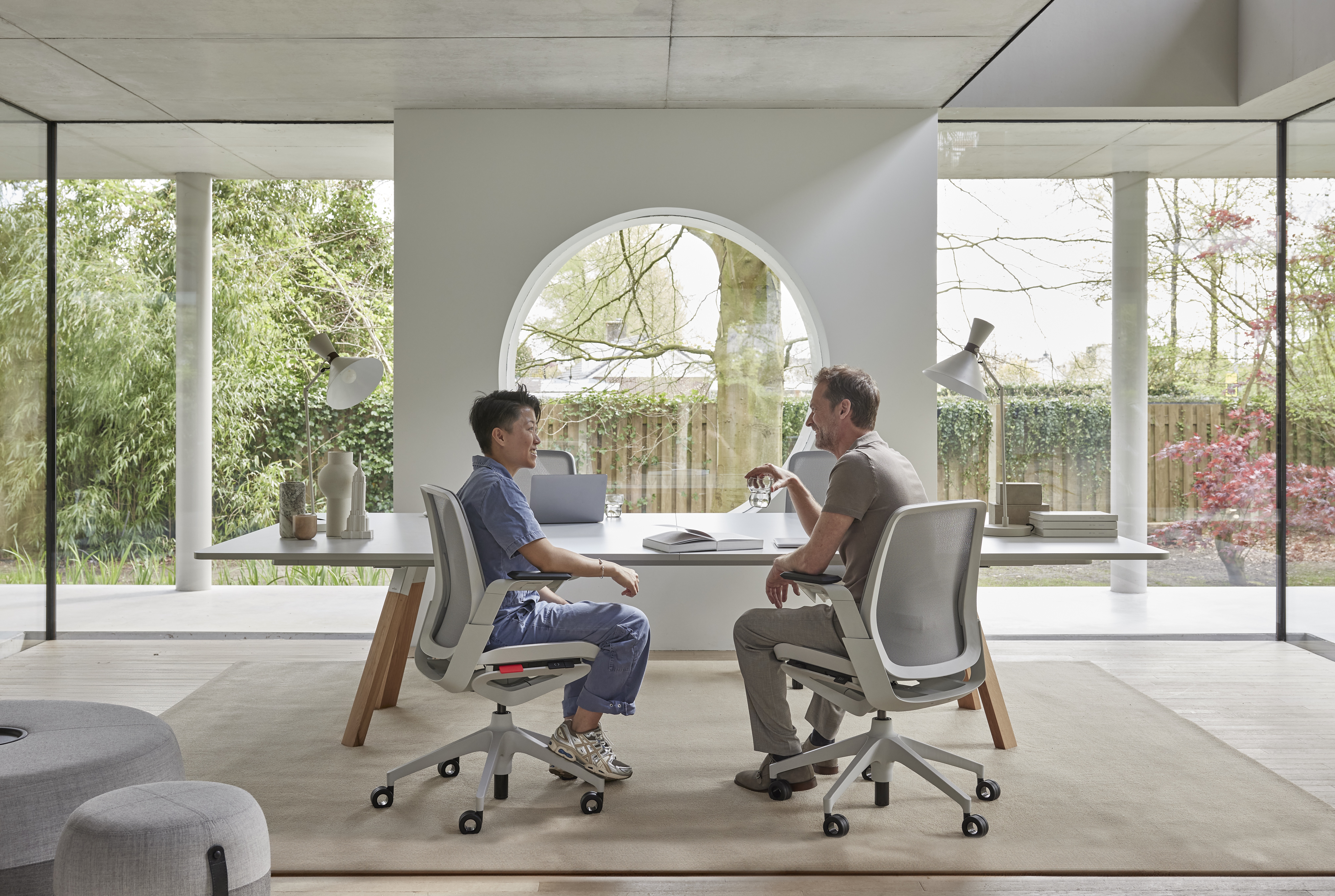
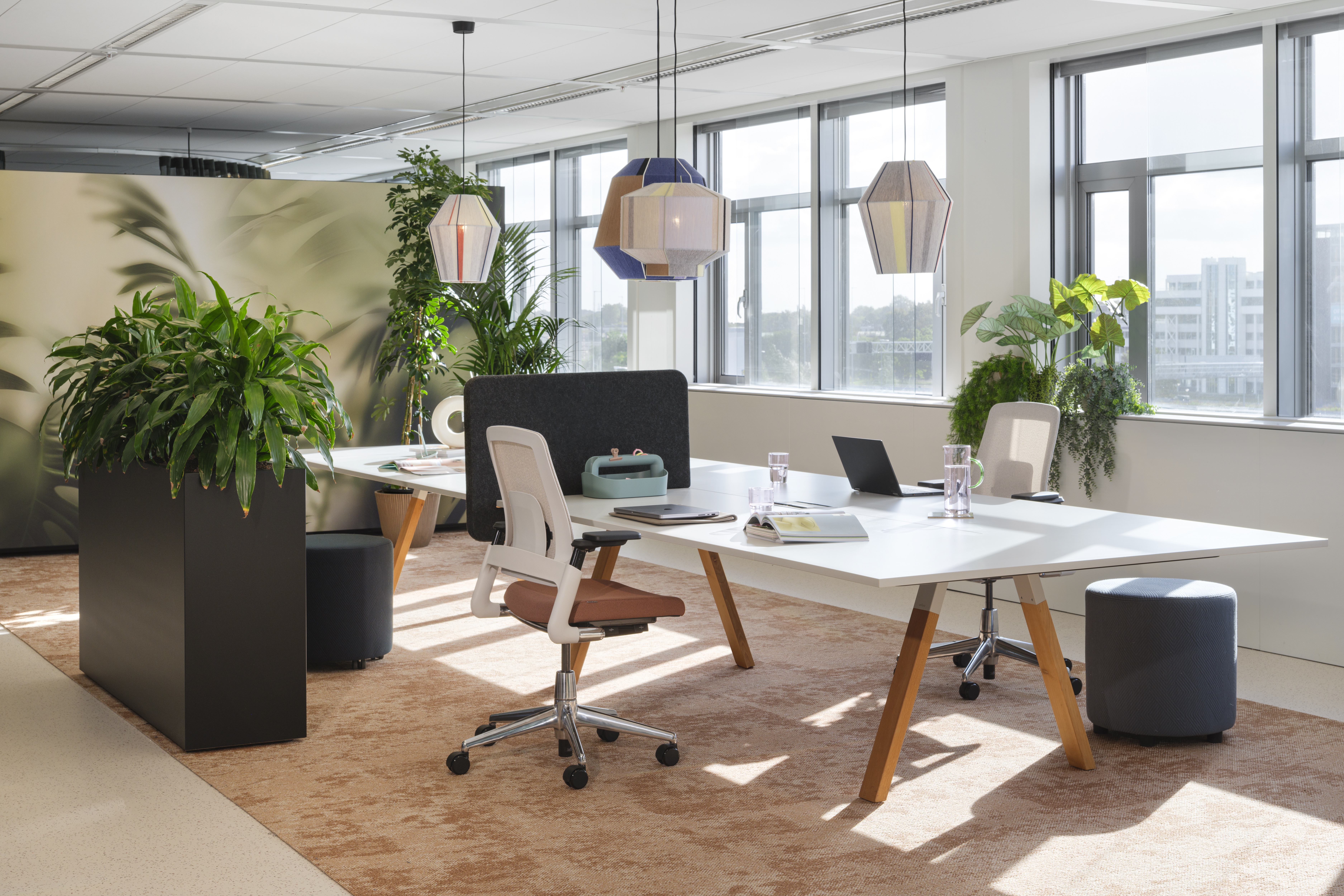
Its Cradle to Cradle Certified® products, including the Ahrend 2020 Task Chair, Ahrend Remode Task Chairs, Ahrend Balance Workstation and Ahrend and Gispen TMNL desk, are designed with the future in mind. Materials are selected not only for performance and comfort, but also for their safety and ability to be reused. Components can be repaired, replaced, and refurbished, extending a product's lifespan while reducing the need for new resources.
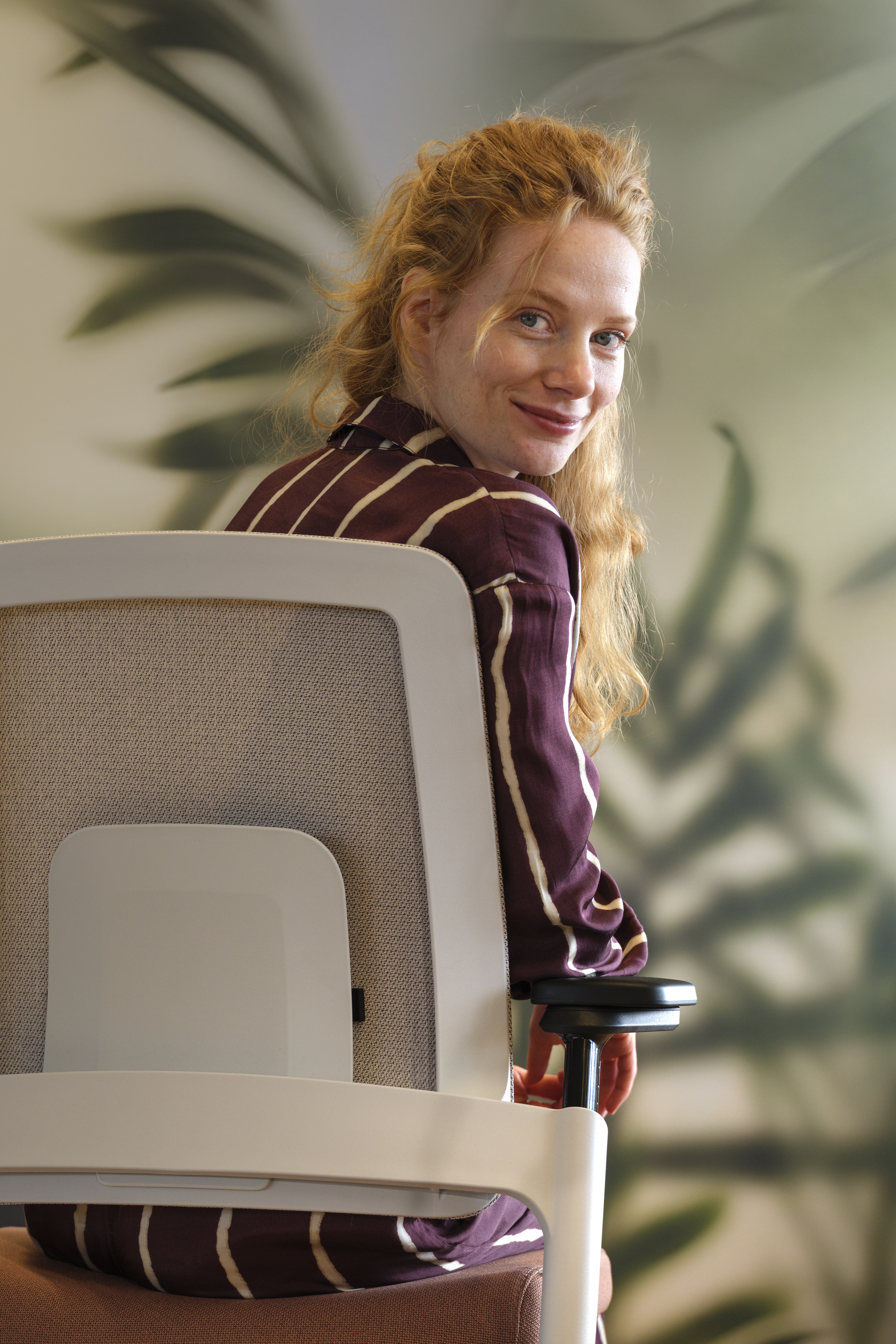
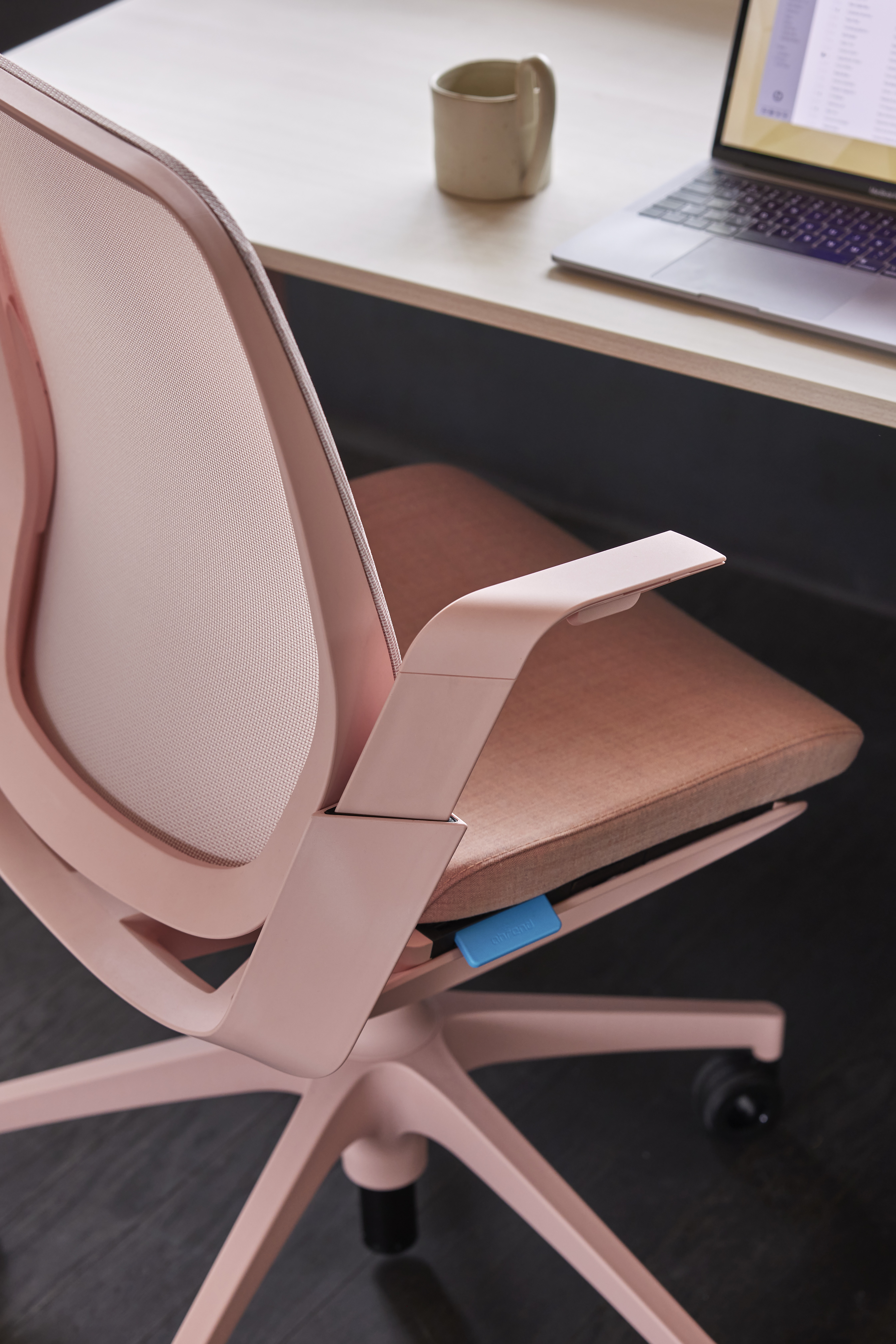
The Ahrend 2020 Luvia chair is a strong example of this philosophy in action. It is a renewed chair that combines smart, modular design with a strong focus on sustainability. By introducing the new Luvia backrest, the Ahrend 2020 chair is given a contemporary look and improved functionality, while extending the life of an existing product platform. The A2020 is Cradle to Cradle Certified® Gold and is made from 50% recycled materials. Thanks to its modular construction, parts can be replaced or renewed, supporting reuse, repair and a longer product lifecycle.
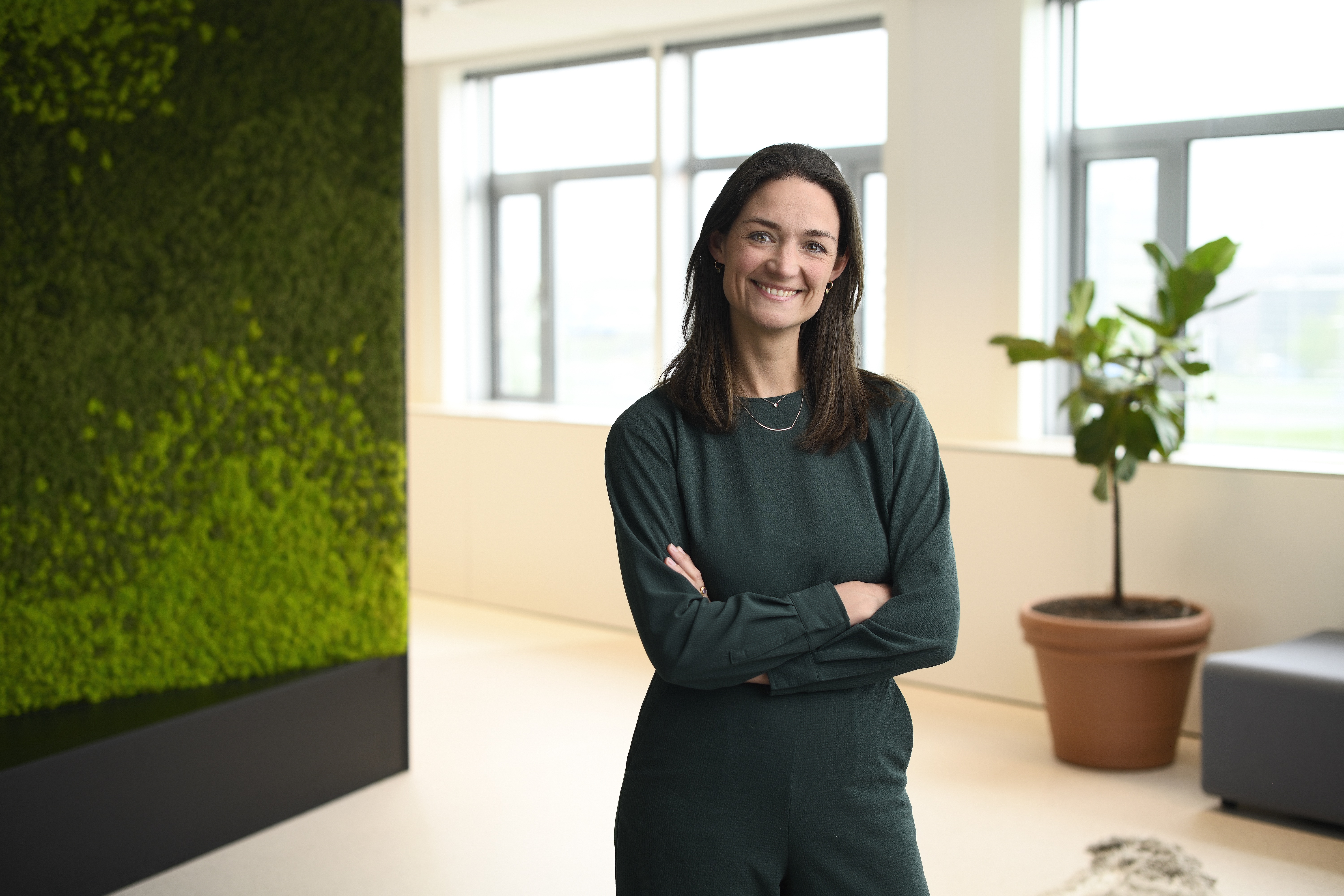
To sum up: we only introduced a new backrest (Luvia) to an existing chair. Only replacing what needs to be replaced so that the furniture can be used for the years to come. As Dionne Ewen, Sustainability and ESG Manager at Royal Ahrend, explains:
"We preserve what works and update only what is necessary to remain relevant and future-proof."
Rather than replacing the entire product, Ahrend preserves what already works and updates only what is needed. New features, refreshed components, and improved materials allow the chair to meet today's standards while remaining true to its original purpose. It's a simple but powerful shift in thinking: furniture isn't designed for disposal. It's designed to evolve.
Built on Simplicity and Longevity
Circular thinking is in Ahrend’s DNA. The approach is rooted in a design philosophy that has shaped Ahrend for decades. Long before circularity became a familiar industry term, the company embraced a simple idea: products work best when unnecessary complexity is designed out of them.
Inspired by pioneering designer Friso Kramer, whose philosophy centered on simplicity and functionality, Ahrend focuses on using fewer parts, fewer materials, and creating products that are built to endure. When a design is simpler, it becomes stronger, easier to maintain, and better equipped to stand the test of time.
The benefits extend beyond durability. Furniture that is thoughtfully designed can be more easily repaired, refurbished, and eventually reused. Components can be separated and recovered at the end of their life, helping to keep valuable materials in circulation for longer. By creating products that are simpler, adaptable, and built to last, Ahrend makes it easier for furniture to remain in use for years, and even decades.
Over time, this thinking has grown beyond individual products to influence Ahrend’s services and wider business model. Esther Baars, assessor at EPEA B.V., has seen this evolution through the company’s Cradle to Cradle Certified® journey:
“Since 2009, Ahrend has been actively engaged in the Cradle to Cradle Certified® program, using Cradle to Cradle thinking as a driver for innovation across its products, services, and business model. Over the years, the company has translated its circular ambitions into practice through design for disassembly, refurbishment programs, take-back systems, Furniture-as-a-Service models, and investments in circular operations through its Circular Hub.
Throughout the certification journey, EPEA helped Ahrend gain valuable insights into product composition, supply chain transparency, and opportunities to further enhance material health and circularity performance. Together, these insights provide a solid foundation for continuous improvement and future innovation.”
Making Better Decisions Through Transparency
Ahrend provides detailed sustainability data across its product portfolio, including verified carbon footprint information that customers can use in their own Scope 3 reporting. By making this information readily available, Ahrend helps organisations better understand the impact of their purchasing decisions and make more informed choices about their workplaces. In this way, transparency becomes more than data on a page. It becomes a tool for driving measurable change.
Giving Furniture a Second Life
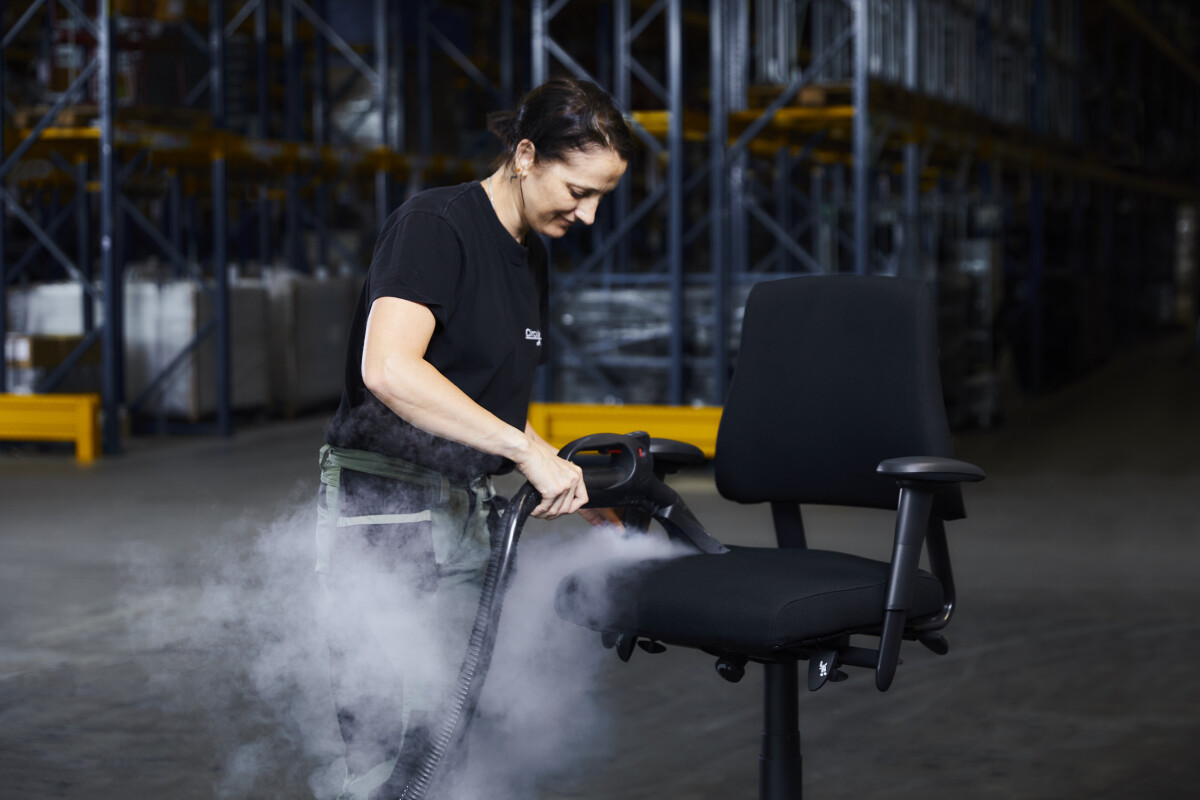
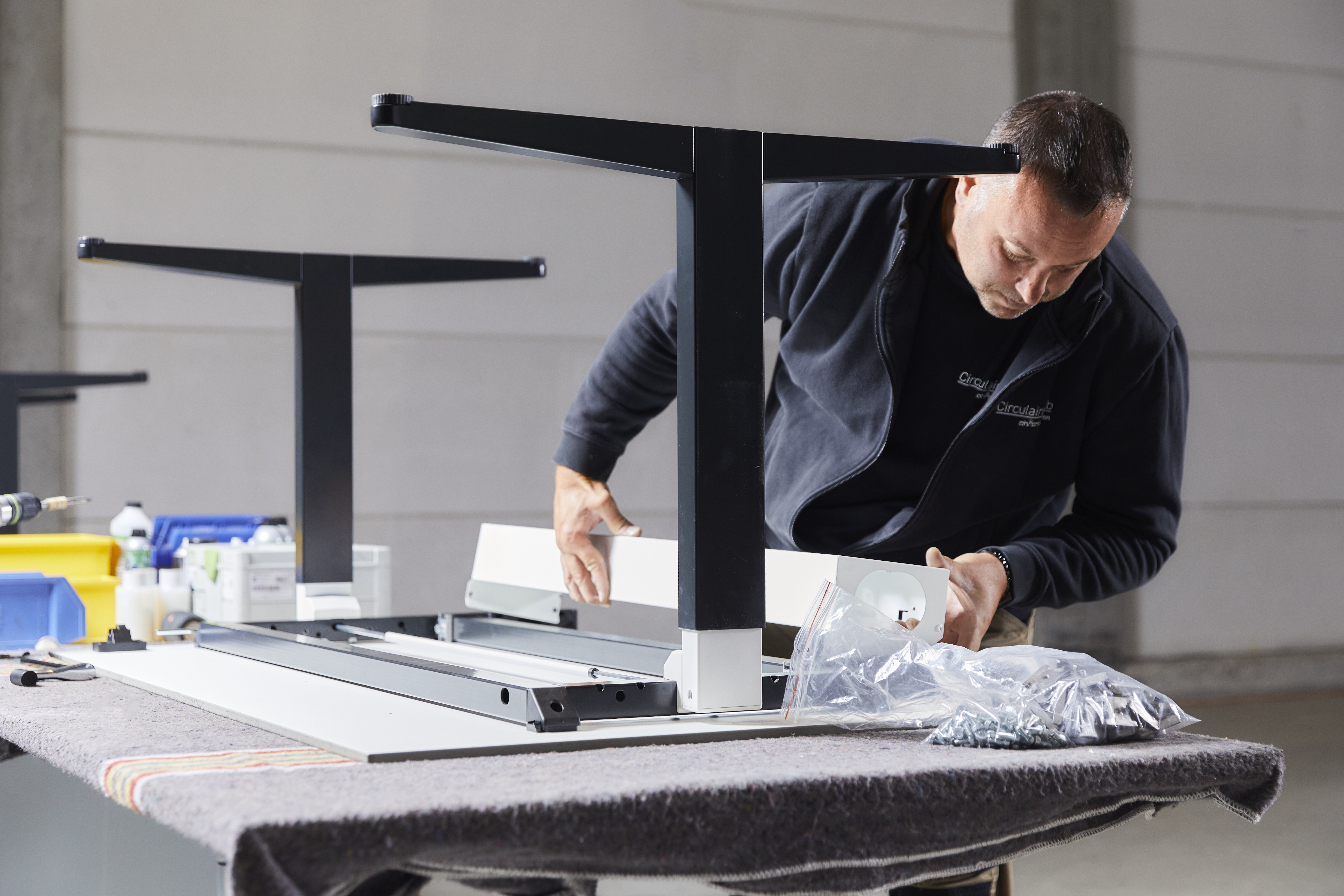
Ahrend’s commitment to circularity doesn’t stop at design it continues long after furniture leaves the factory. When an organization no longer needs a desk or a chair, Ahrend sees potential rather than waste. Instead of being discarded, products can be collected, refurbished, and prepared for a new chapter. This happens at the company’s Circular Hub in the Netherlands and in the UK, where thousands of pieces of furniture are cleaned, repaired, upgraded, and returned to use.
In many cases, choosing refurbished furniture can significantly reduce environmental impact compared to buying new. It also challenges the idea that "new" is always better, demonstrating that high-quality furniture can continue to deliver value long after its first use.
Since 2023, more than 175,000 pieces of furniture have been refurbished through Ahrend's Circular Hub in the Netherlands, helping valuable materials stay in circulation for longer and reducing the need for new resources. As Ahrend puts it, circularity should not just be visible, it should be practical, scalable, and accessible.
Building Circularity on Safe Materials
For Ahrend, creating circular products starts with a simple principle: materials must first be safe before they can be reused. As Dionne Ewen, Sustainability and ESG Manager explains:
"A lot of materials are not designed for a circular economy because the aim was never to recycle them after use."
As a result, they can contain substances that make reuse more difficult or may have unintended impacts on people and the environment. This is why Ahrend follows the belief that materials must first be safe before they can be truly circular.
The Cradle to Cradle Certified® framework helps Ahrend take a closer look at the materials that make up its products, ensuring they meet rigorous standards for material health and safety. Through this process, the company has worked to identify and eliminate substances of concern, creating products that are designed not only for circularity, but also for healthier indoor environments.
This includes meeting strict standards for low emissions of volatile organic compounds (VOCs), helping ensure that the desks, chairs, and workstations people use every day contribute to comfortable, healthy workspaces. For Ahrend, Cradle to Cradle Certified® provides more than a certification. It offers a framework for creating products that are safer, more transparent, and better prepared for a circular future.
Scaling Circular Solutions
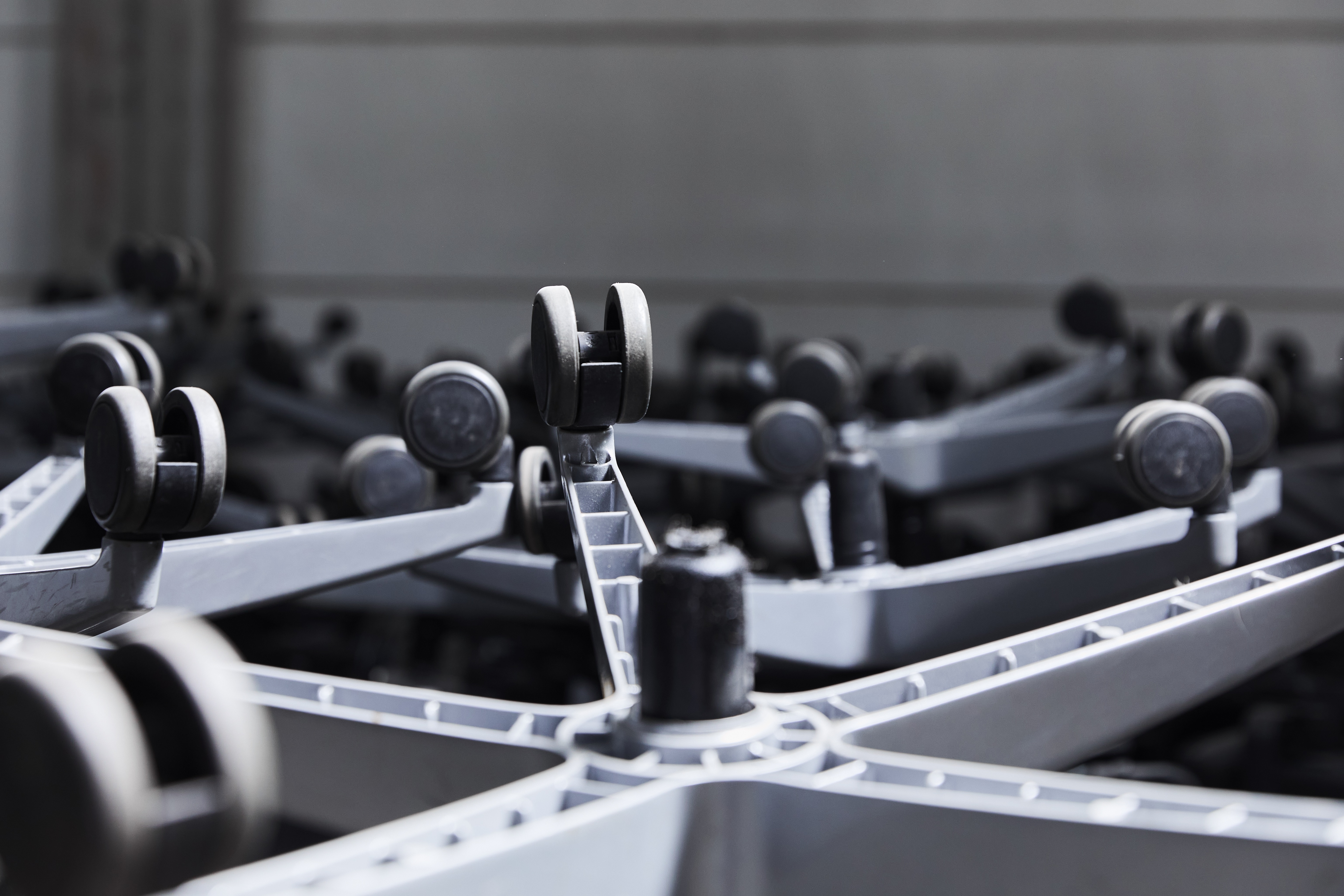
Looking ahead, Ahrend is focused on taking what works and expanding its impact. The company continues to invest in circular services that extend product lifespans, reduce waste, and make circularity easier to adopt at scale. Ahrend is also working towards net zero greenhouse gas emissions by 2050, with targets approved by the Science Based Targets initiative (SBTi), reinforcing its commitment to long-term climate action.
The recent 2026 opening of a second Circular Hub in the UK marks an important milestone in this journey. Building on the success of the company's Circular Hub in the Netherlands, the expansion demonstrates that circular business models can grow beyond a single market, helping more organizations extend the life of their furniture while reducing their environmental impact.
For Ahrend, it's further proof that circularity isn't just a niche concept. It's a scalable approach with growing demand and the potential to become the new standard for the industry.
The Future of Circular Workspaces
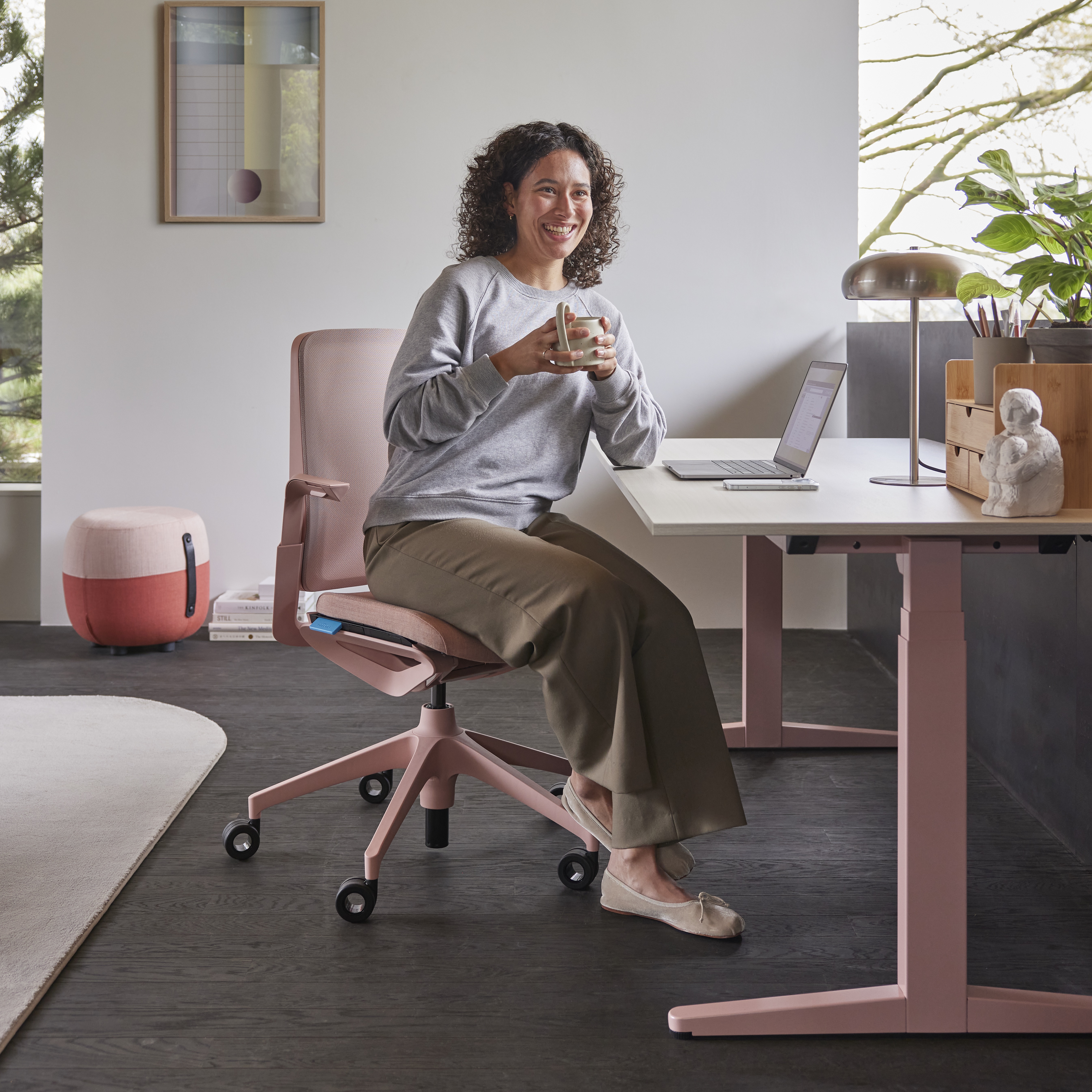
Ahrend sees the future of office furniture as part of a closed-loop system, where products move through multiple lifecycles rather than being used once and discarded. In this model, desks, chairs, and workstations are reused, refurbished, and redeployed over time, reducing reliance on new raw materials and helping organisations make greater use of what already exists.
Making this vision a reality starts long before a product reaches the market. Ahrend believes circular thinking works best when it is built into every stage of product development, from material selection and design to repair, recovery, and reuse. By designing products for multiple lifecycles and investing in practical, scalable circular services, the company is helping demonstrate how circularity can move beyond individual products and reshape the future of workplace furniture.
Designing for What Comes Next
Ahrend's approach shows how rethinking everyday products can lead to broader system change. By combining circular design, material transparency, and practical services such as refurbishment, the company moves beyond simply reducing waste to actively extending the life of products and materials.
Cradle to Cradle Certified® provides the framework, but it is Ahrend's commitment to keeping products in use that brings circularity to life. Because in a truly circular workplace, a desk isn't just where today's work gets done, and a chair isn't designed for a single owner. These are products designed to evolve and adapt, continuing to create value for the people who use them today and for future generations who will use them tomorrow.